Erin Gretzinger:
Starting next school year, Madison elementary students will take a weekly survey about their feelings on a new online platform, following the School Board’s approval despite initial concerns.
When district administrators first proposed the platform, called Sown to Grow, to the School Board this year, several members expressed doubts about using an online curriculum to gauge students’ social and emotional well-being. After an hour-long discussion in which some members indicated they would vote against the contract, the board postponed voting.
Then a month later, with little public discussion, most School Board members altered their positions on the survey and greenlit a $278,000, three-year contract with the platform.
As more Madison parents raise concerns about screen time in schools, the board’s decision on Sown to Grow underscored how some members of the School Board are weighing the benefits and costs of technology in classrooms.
“My discomfort around this, if I zoom out, is about what understanding I have about how we think about the totality … of how many different platforms our students are using on a daily or weekly basis,” board member Blair Mosner Feltham said during the first discussion about Sown to Grow. “I’m torn because I hear people say we need the curriculum … but something about my kid putting their big emotions in a computer to become aggregate data makes me really anxious.”
…..
“Encouraging students to share their feelings with the screen is gross to me,” she said. “The whole online component of it I find very problematic.”
——-
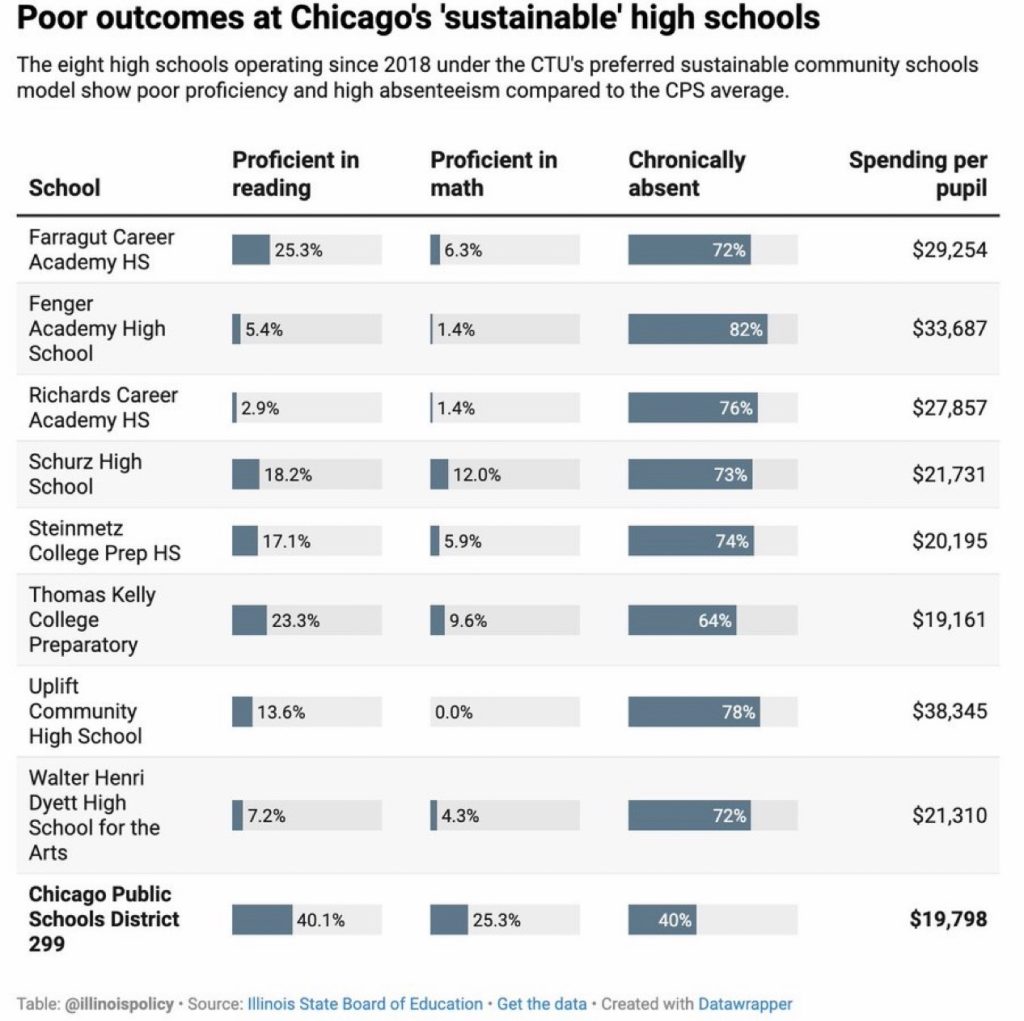
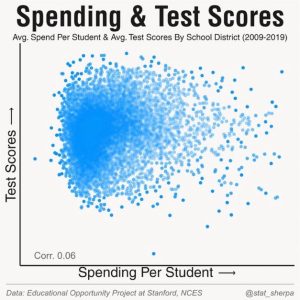
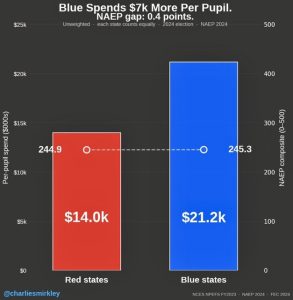
2026-2027 Madison K-12 $pending continues to grow, fueled by a 9.7% (!) property tax increase. Total spending will be at least $706,000,000 for 25,003 students, or $28,236 per student.
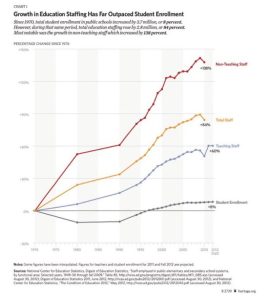
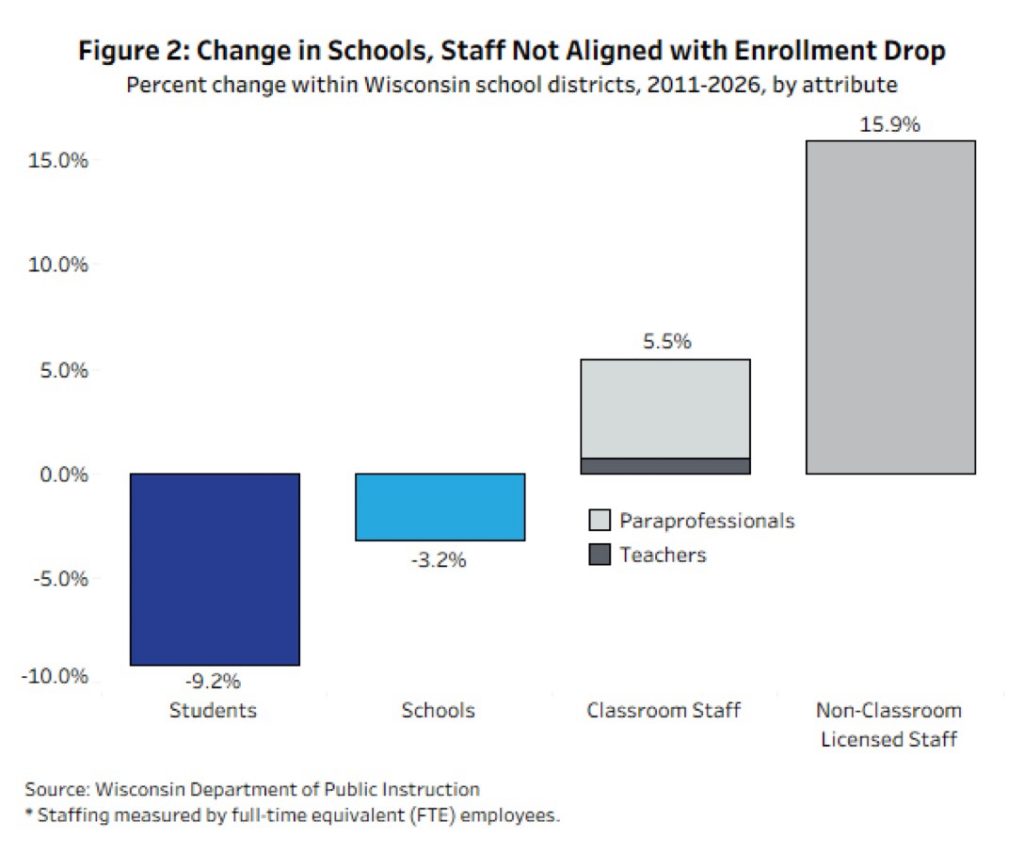
May 2026 Madison School District Presentation: 7,095 adults for 25,003 students (3.52 students per adult!)
Early Literacy Screener Map.
More. Act 20.
3,887 Madison 4 year old to third grade students scored lower than 75% of the students in the national comparison group.
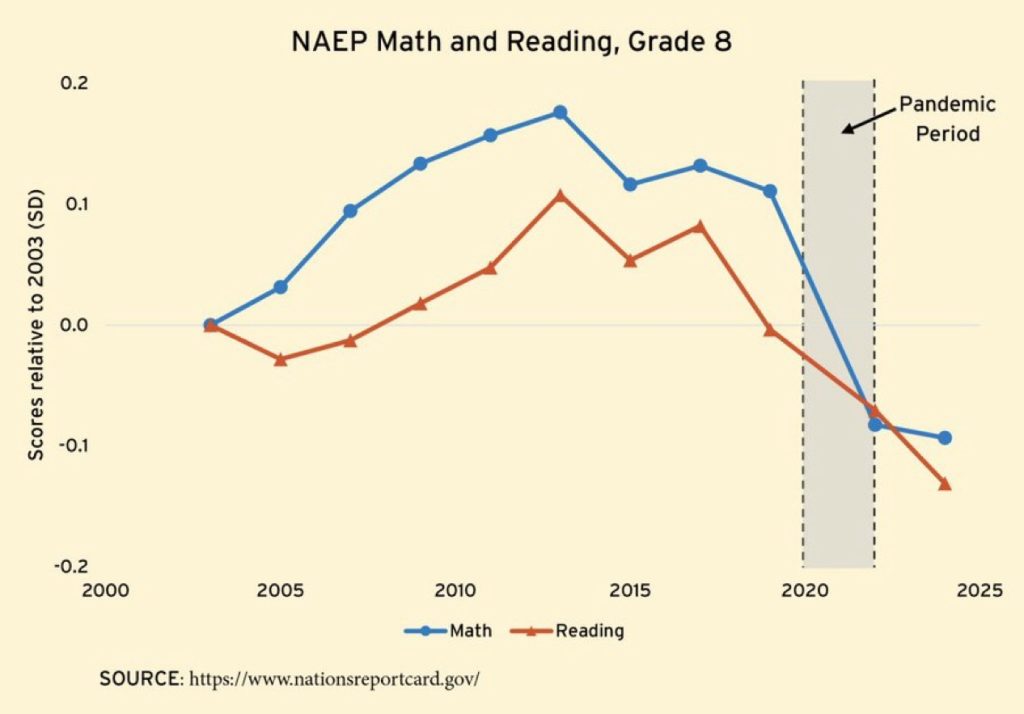
Madison taxpayers have long supported far above average k-12 tax & $pending. This despite our long term, disastrous reading results. May, 2026: 7,095 Staff for 25,003 students; $pending > $26k per student!
Madison Schools: More $, No Accountability
The taxpayer funded Madison School District long used Reading Recovery…
The data clearly indicate that being able to read is not a requirement for graduation at (Madison) East, especially if you are black or Hispanic”
My Question to Wisconsin Governor Tony Evers on Teacher Mulligans and our Disastrous Reading Results
2017: West High Reading Interventionist Teacher’s Remarks to the School Board on Madison’s Disastrous Reading Results
Madison’s taxpayer supported K-12 school district, despite spending far more than most, has long tolerated disastrous reading results.
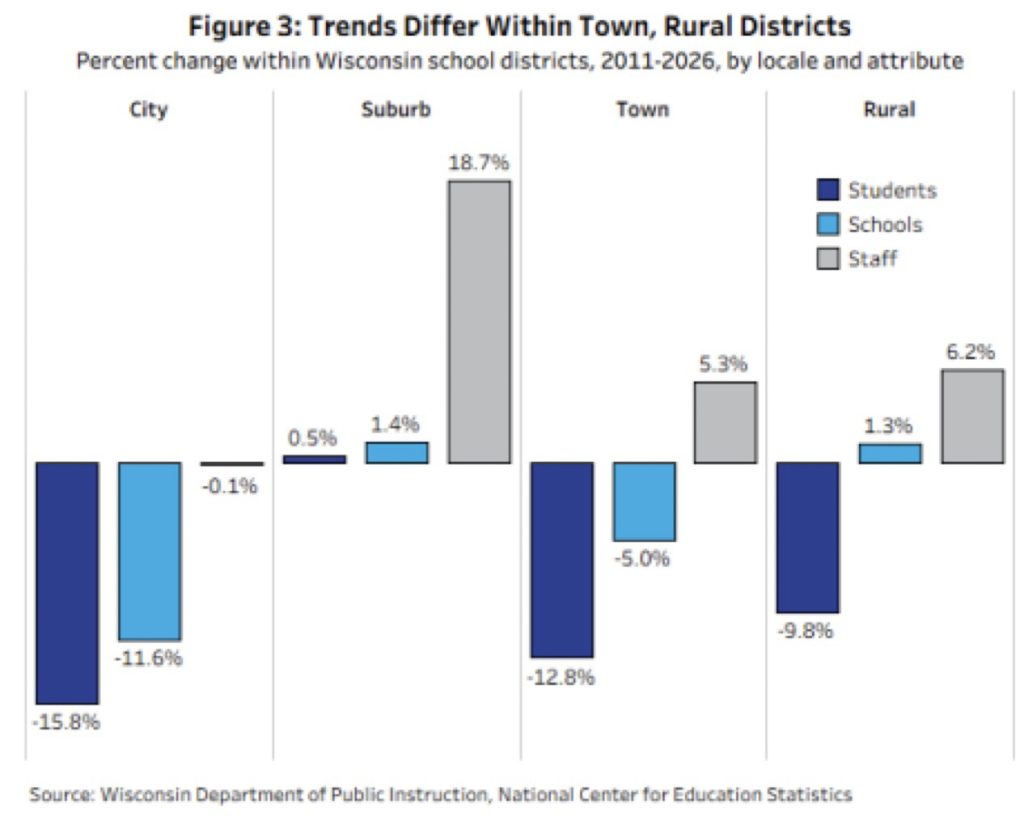
“An emphasis on adult employment”
Wisconsin Public Policy Forum Madison School District Report[PDF]
WEAC: $1.57 million for Four Wisconsin Senators
Friday Afternoon Veto: Governor Evers Rejects AB446/SB454; an effort to address our long term, disastrous reading results
Booked, but can’t read (Madison): functional literacy, National citizenship and the new face of Dred Scott in the age of mass incarceration.
When A Stands for Average: Students at the UW-Madison School of Education Receive Sky-High Grades. How Smart is That?