Meanwhile:
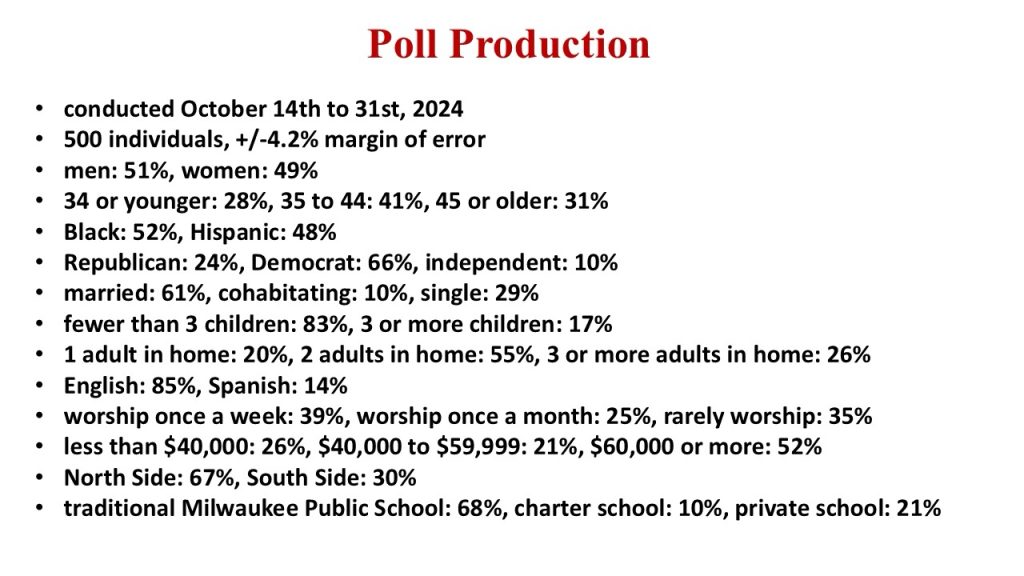
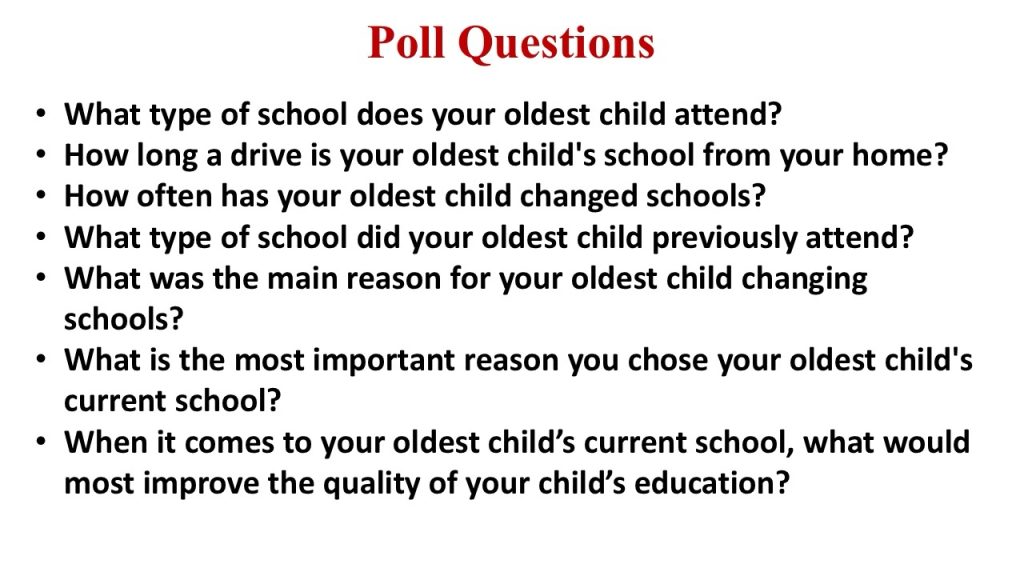
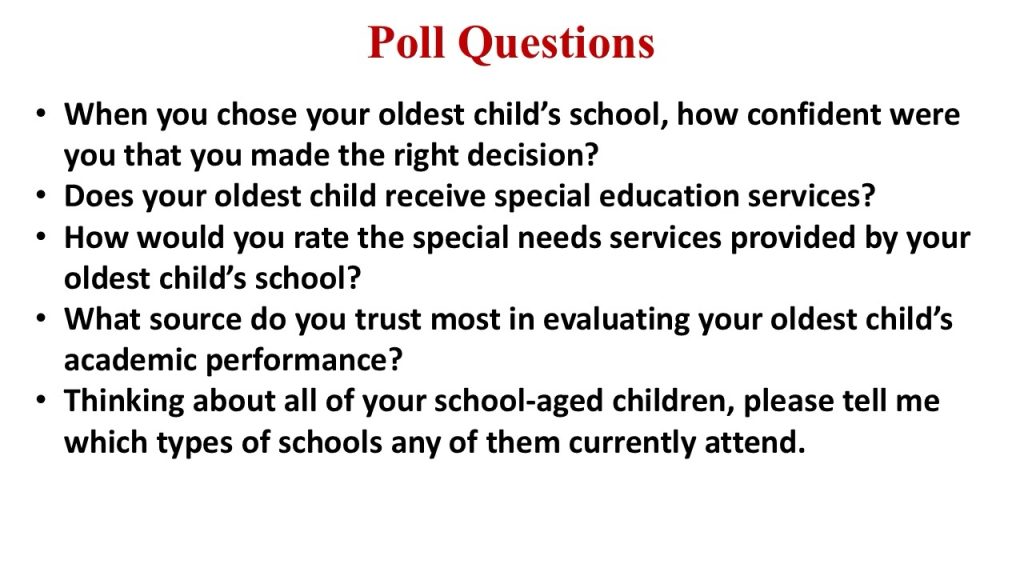
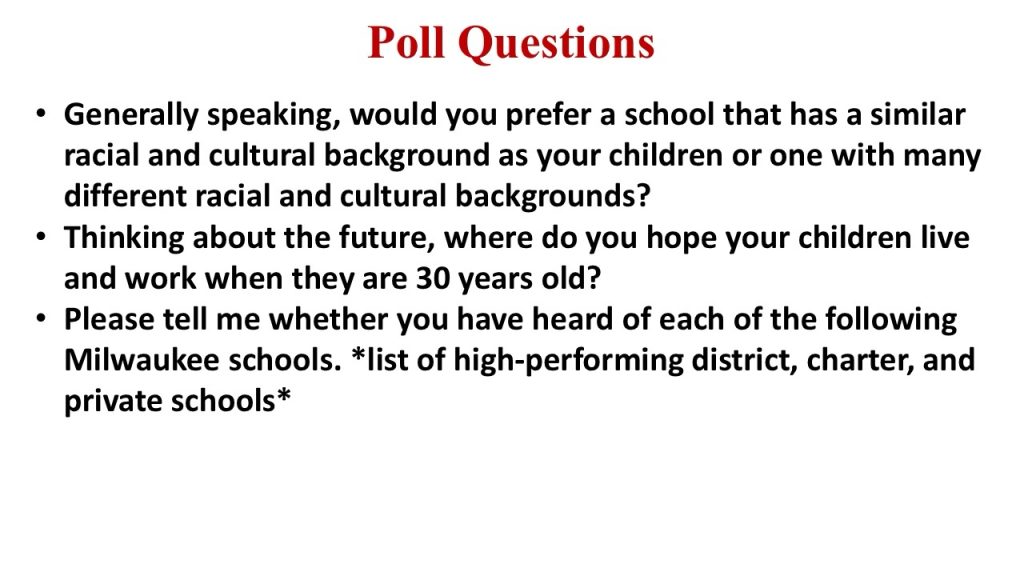
Parents overestimate student achievement, underestimate spending
Related: Act 10
Did taxpayer funded Wisconsin DPI Superintendent Underly Juice Test Scores for Reelection?
The taxpayer funded Madison School District long used Reading Recovery…
The data clearly indicate that being able to read is not a requirement for graduation at (Madison) East, especially if you are black or Hispanic”
My Question to Wisconsin Governor Tony Evers on Teacher Mulligans and our Disastrous Reading Results
2017: West High Reading Interventionist Teacher’s Remarks to the School Board on Madison’s Disastrous Reading Results
Madison’s taxpayer supported K-12 school district, despite spending far more than most, has long tolerated disastrous reading results.
“An emphasis on adult employment”
Wisconsin Public Policy Forum Madison School District Report[PDF]
WEAC: $1.57 million for Four Wisconsin Senators
Friday Afternoon Veto: Governor Evers Rejects AB446/SB454; an effort to address our long term, disastrous reading results
Booked, but can’t read (Madison): functional literacy, National citizenship and the new face of Dred Scott in the age of mass incarceration.
When A Stands for Average: Students at the UW-Madison School of Education Receive Sky-High Grades. How Smart is That?
Notes on “ai” usage
“Our study shows the emergence of a new reality in which firms, consumers and even international organizations substantially rely on generative AI for communications,” wrote the researchers.
The researchers tracked large language model (LLM) adoption across industries from January 2022 to September 2024 using a dataset that included 687,241 consumer complaints submitted to the US Consumer Financial Protection Bureau (CFPB), 537,413 corporate press releases, 304.3 million job postings, and 15,919 United Nations press releases.
By using a statistical detection system that tracked word usage patterns, the researchers found that roughly 18 percent of financial consumer complaints (including 30 percent of all complaints from Arkansas), 24 percent of corporate press releases, up to 15 percent of job postings, and 14 percent of UN press releases showed signs of AI assistance during that period of time.
The study also found that while urban areas showed higher adoption overall (18.2 percent versus 10.9 percent in rural areas), regions with lower educational attainment used AI writing tools more frequently (19.9 percent compared to 17.4 percent in higher-education areas). The researchers note that this contradicts typical technology adoption patterns where more educated populations adopt new tools fastest.