What Good Readers Know
My students and I learned this lesson the hard way. When I became a fifth-grade teacher in a low-performing South Bronx elementary school more than 20 years ago, I walked in not understanding what struggling readers looked like. More than four in five of my students had failed the previous year’s state reading test; with minimal training and no experience, I expected to encounter children who were hard-pressed to read the words on the page.
Instead, in five years at PS 277, the lowest-performing school in New York City’s lowest-performing community school district, I never had a student who could not decode. Some read more fluently than others, certainly.3 But they could read the words. What they struggled to do was understand them. “I read it, but I didn’t get it” was a common refrain I heard again and again.
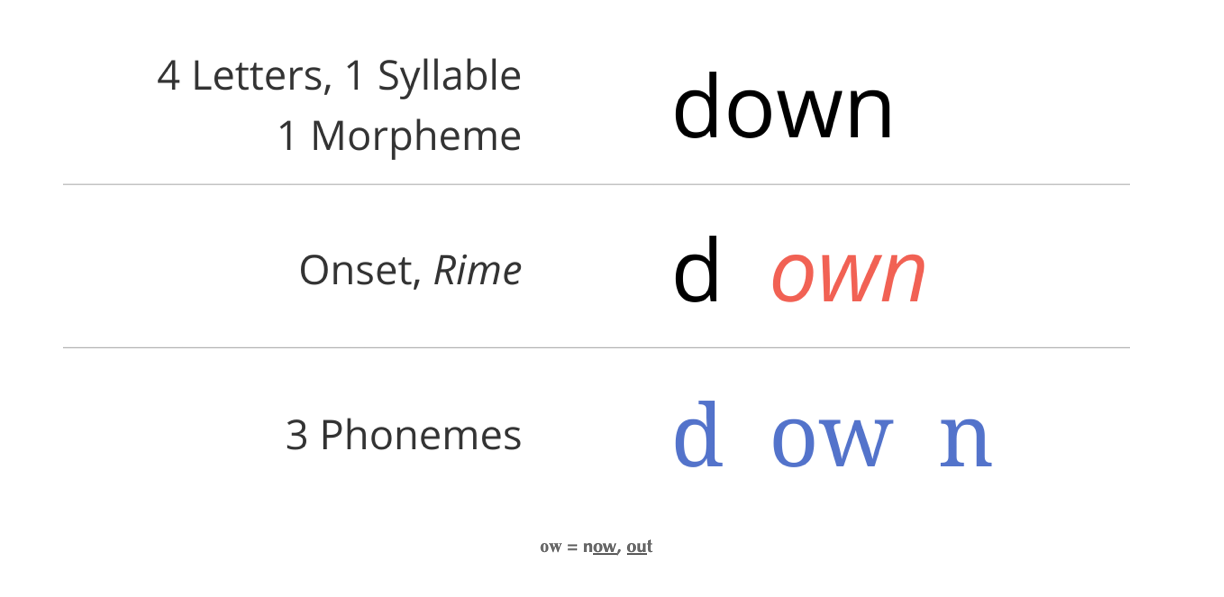
The distinction matters because reading is actually two different things that we routinely conflate. The first is decoding: turning the squiggles on a page into sounds and words. Decoding is a skill and a transferable one. We can agree on the pronunciation of made-up words like rigfap and churbit because once you understand the relationship between letters and sounds, you can apply that knowledge automatically even to invented nonsense words you’ve never seen before or memorized.
But reading comprehension is different. It’s inseparable from vocabulary and background knowledge. We tend not to notice this because when we read about familiar subjects, the knowledge we bring to the text does its work invisibly. Consider this sentence: