Does AI stop children from learning?
New data show the peril and promise of the technology
Students and children are increasingly using artificial intelligence. A survey last year by Chegg, an ed-tech firm, found that 80% of rich-world undergraduates used it in their studies. More recent polls put the figure at 94% in Britain and 93% in Germany.
Such widespread adoption has fuelled concerns about the impact the technology might be having on learning. Teachers report marking identikit essays that they suspect are churned out by ChatGPT. Yet firm evidence on AI’s educational effects has been lacking.
David Stromberg of Stockholm University and Victor Lei and Wu Yanhui of the University of Hong Kong set out to fill the gap. They tracked 27,000 pupils aged 12-18 in China, where AI adoption has been fast. Around 80% reported using models such as Doubao and DeepSeek; the other 20% formed the control group.
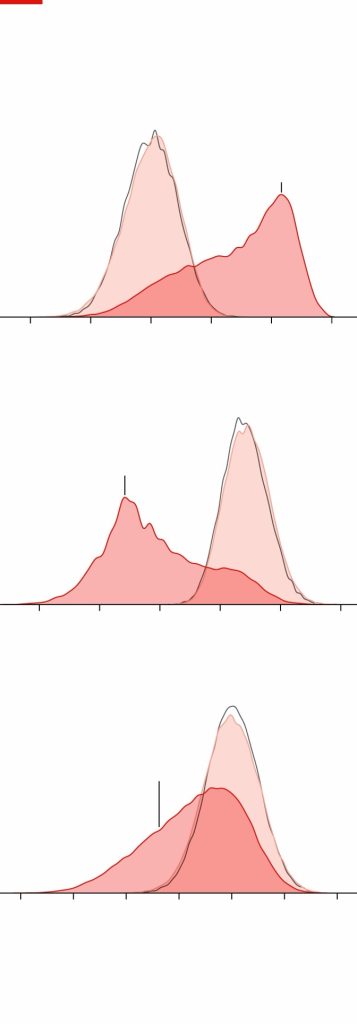
The results are eye-opening. After six months, pupils using AI saw their average homework score rise by 18% across all subjects. The time they took to complete each assignment fell from an average of 64 minutes to 45. But come exam time, the same students scored 20% below their classmates who had not called on AI’s help. Homework scores once predicted exam performance; now those who score highest are, perversely, more likely to do worse in exams.
———
Paper: The Generative AI Learning Penalty: Evidence from Chinese Secondary Education
———
Use AI for homework, you will get it done faster and get a higher grade, and then get crushed on the exam.