k-12 tax & $pending climate: The $40 Trillion Hole
Time to revisit the Constitution’s Spending Clause limits.
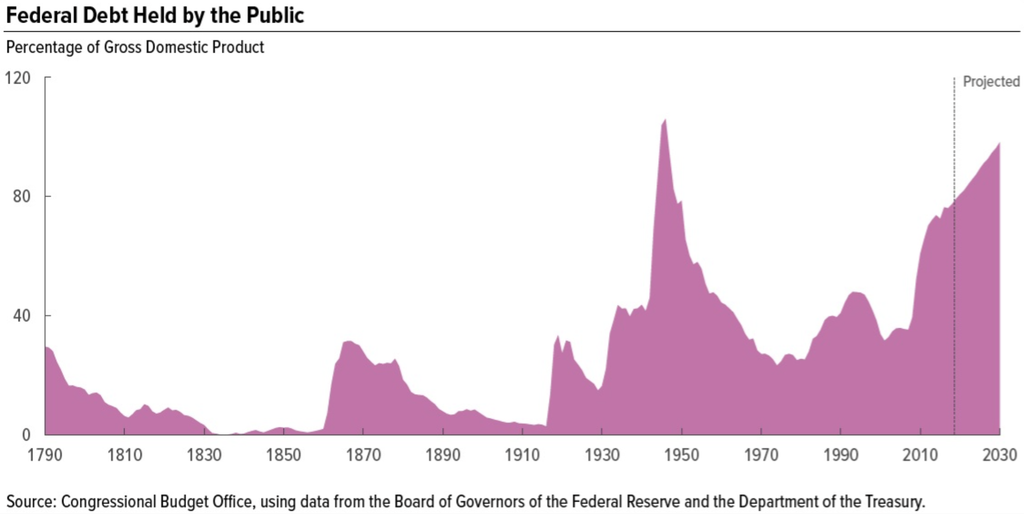
The national debt of the United States just crossed $40 trillion.
That number is so large that it risks becoming meaningless. But consider this: the federal government did not reach $30 trillion in debt until January 2022. It added the next $10 trillion in just four and a half years. As of August 18, the Treasury reported gross federal debt of approximately $40.05 trillion—$32.27 trillion held by the public and another $7.78 trillion owed within the government itself.
The conventional debate over our fiscal catastrophe is familiar. Democrats blame Republican tax cuts. Republicans blame Democratic spending. Budget experts correctly point to Social Security, Medicare, defense spending, pandemic relief, and now the staggering cost of servicing the debt itself.
But there is another cause of our fiscal predicament that almost no one in Washington is willing to discuss: the federal government spends enormous sums of money on things the Constitution never authorized it to fund.
The chart below tells a remarkable story. At the founding, the federal debt was below 40% of the nation’s economic output, largely the legacy of the Revolutionary War. Successive administrations paid it down. After the War of 1812, it rose again and then fell. By 1835, President Andrew Jackson’s administration had essentially extinguished the national debt.